Monteverde Birding Seasons: When to See Quetzals, Bellbirds & Manakins

Monteverde is a year-round birding destination, but a few of its most wanted species have seasons worth planning around. This guide sums up when each one is at its best — and what you can count on any month of the year.

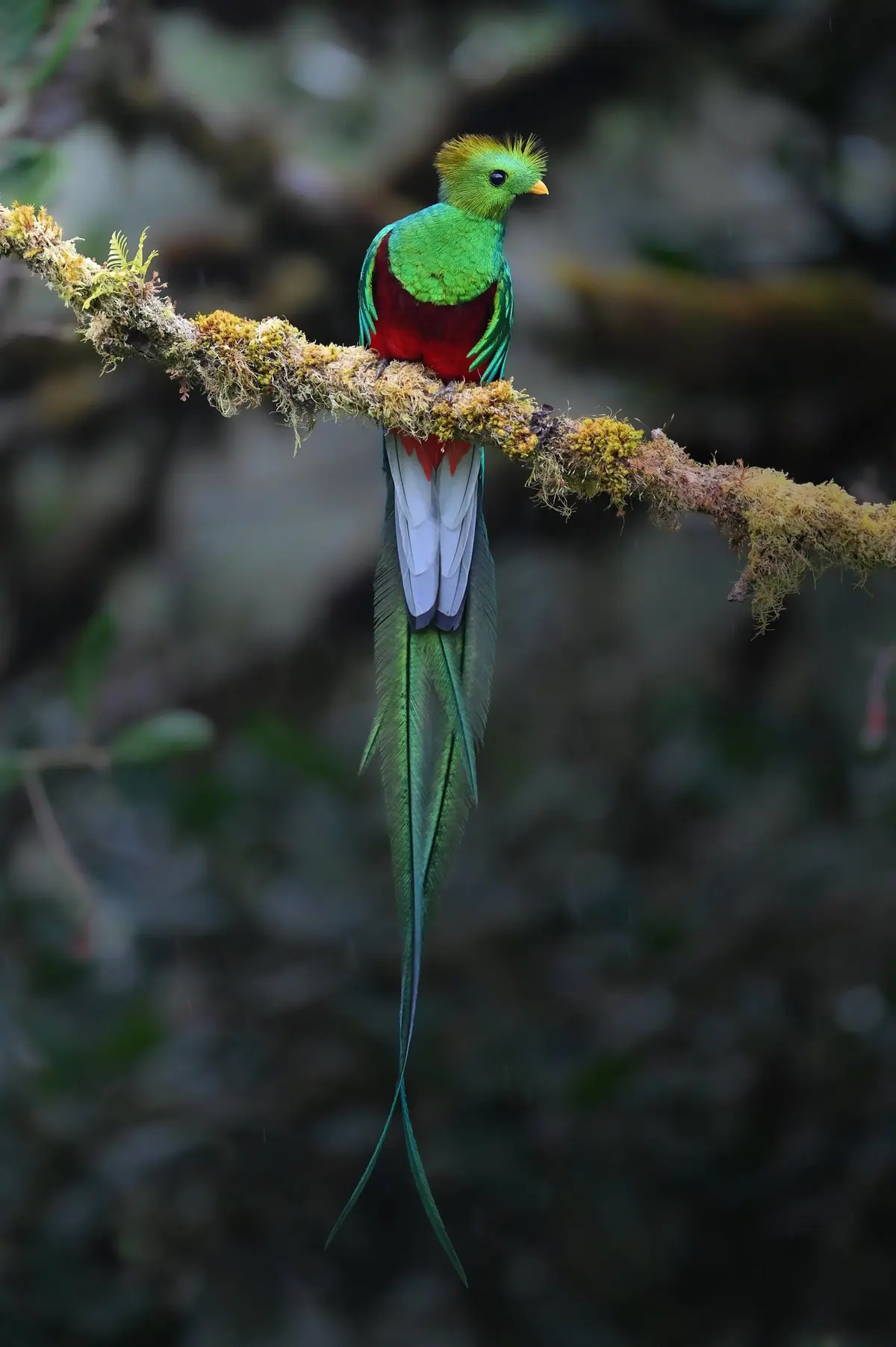
Male Resplendent Quetzal perched on a mossy branch in the Monteverde cloud forest

Species by season

Exact dates shift a little every year with weather and fruiting cycles, and wild sightings are never guaranteed — but these are the windows our guides plan around.

Resplendent Quetzal

Nesting season: roughly March to June

Quetzals live in Monteverde year-round, but the months around the nesting season are the classic time to look for them: pairs are active around nest holes in dead trees, and males in full plumage are at their most striking. Outside those months they still feed on fruiting trees — your guide tracks which trees are producing.
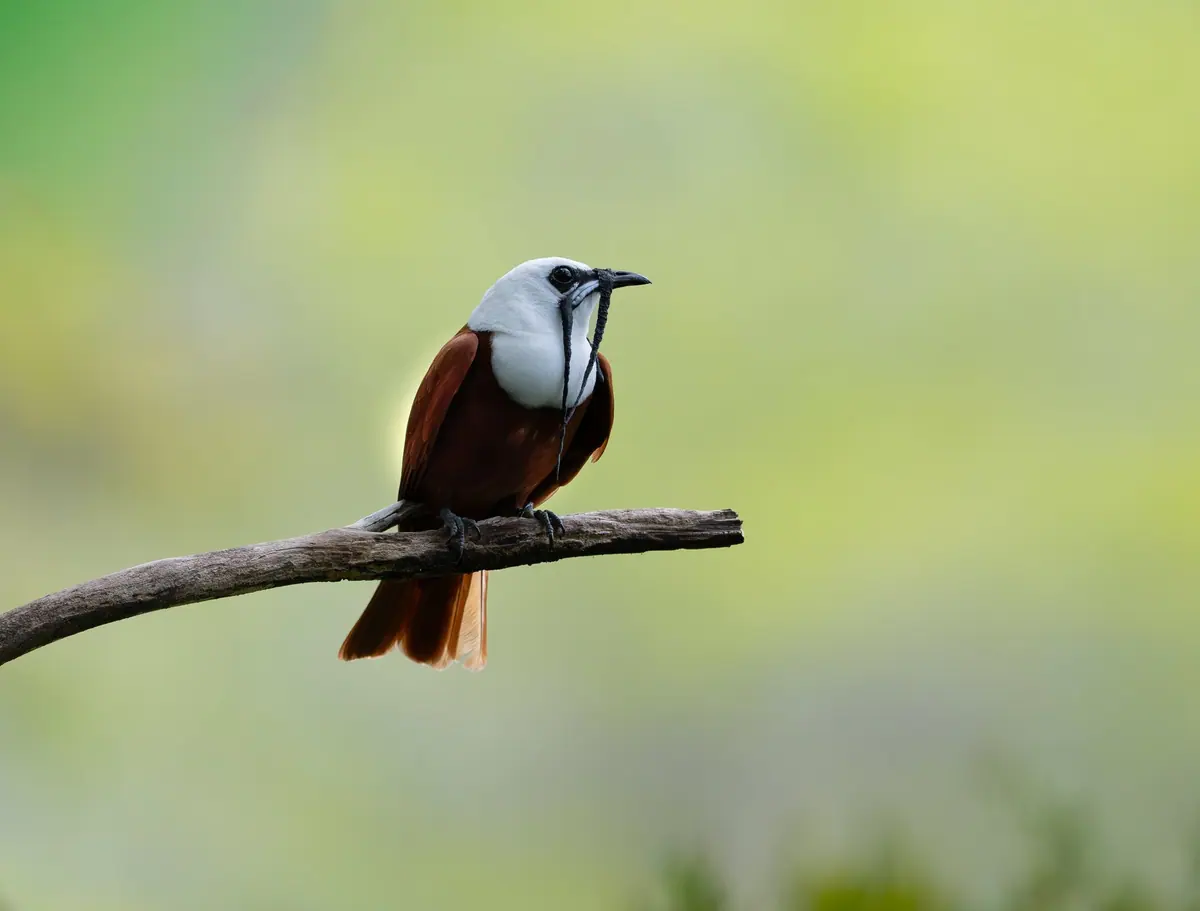
Three-wattled Bellbird

Calling season: roughly March to June

During the breeding months the male's metallic call carries across the highlands and he displays from exposed treetop perches. Outside the breeding season bellbirds typically move to lower elevations, so they are a seasonal highlight rather than a year-round certainty in Monteverde.

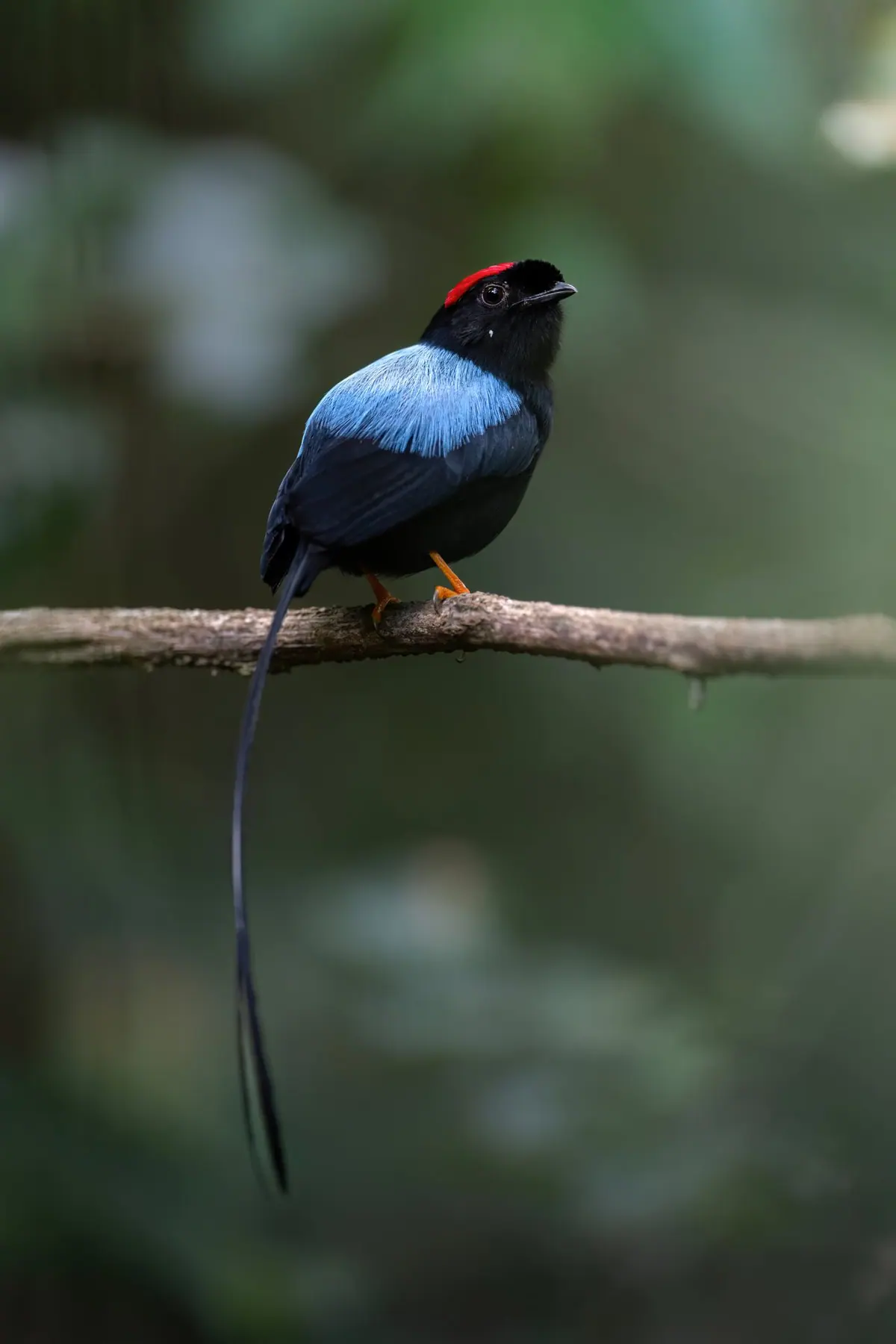
Long-tailed Manakin

Display season: roughly February to May

Males perform their cooperative courtship displays at traditional perches (leks) mainly during the breeding months. The rest of the year they are still around in the forest, just quieter and less showy.

Hummingbirds, toucanets and guans

Year-round

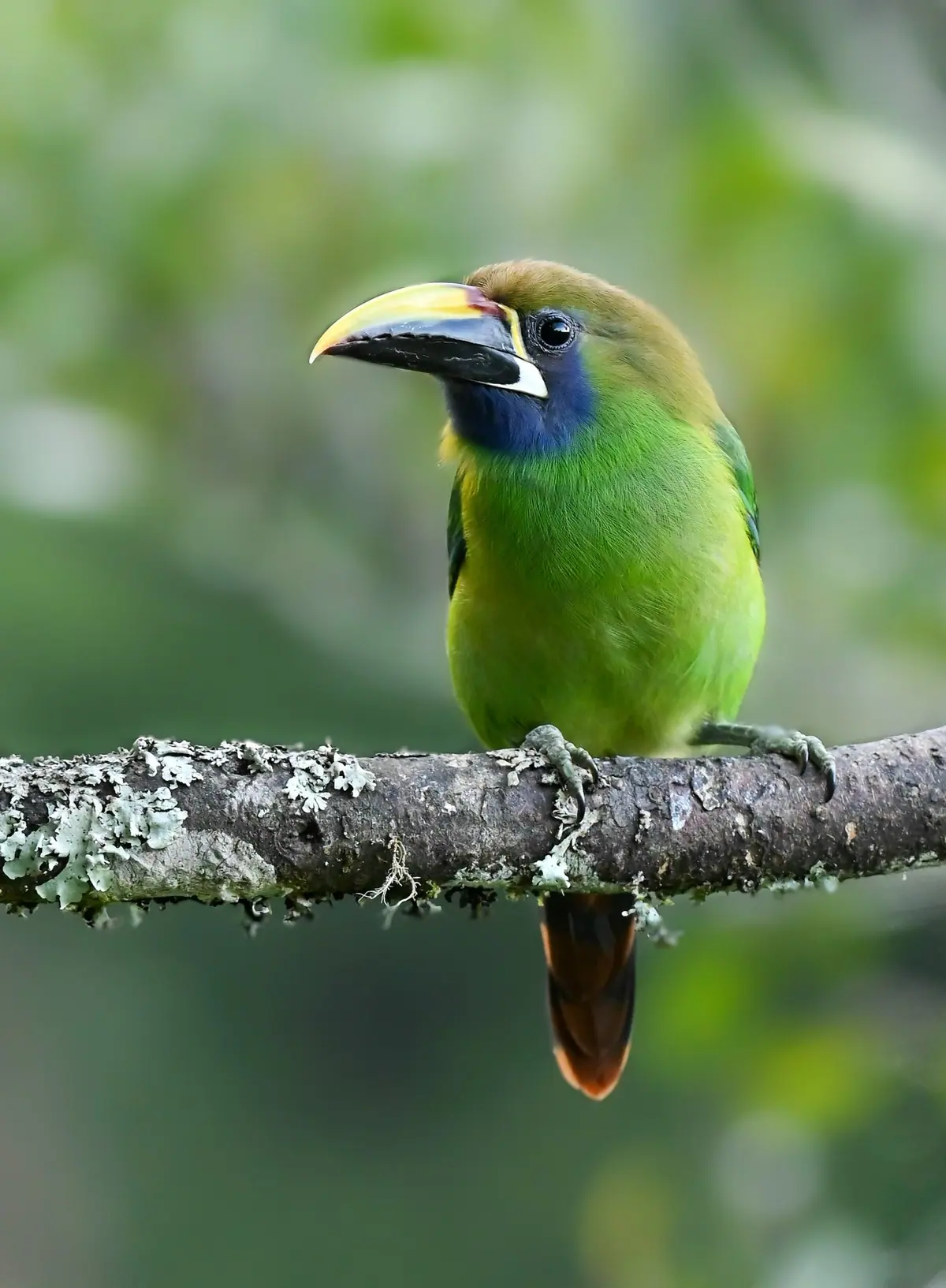
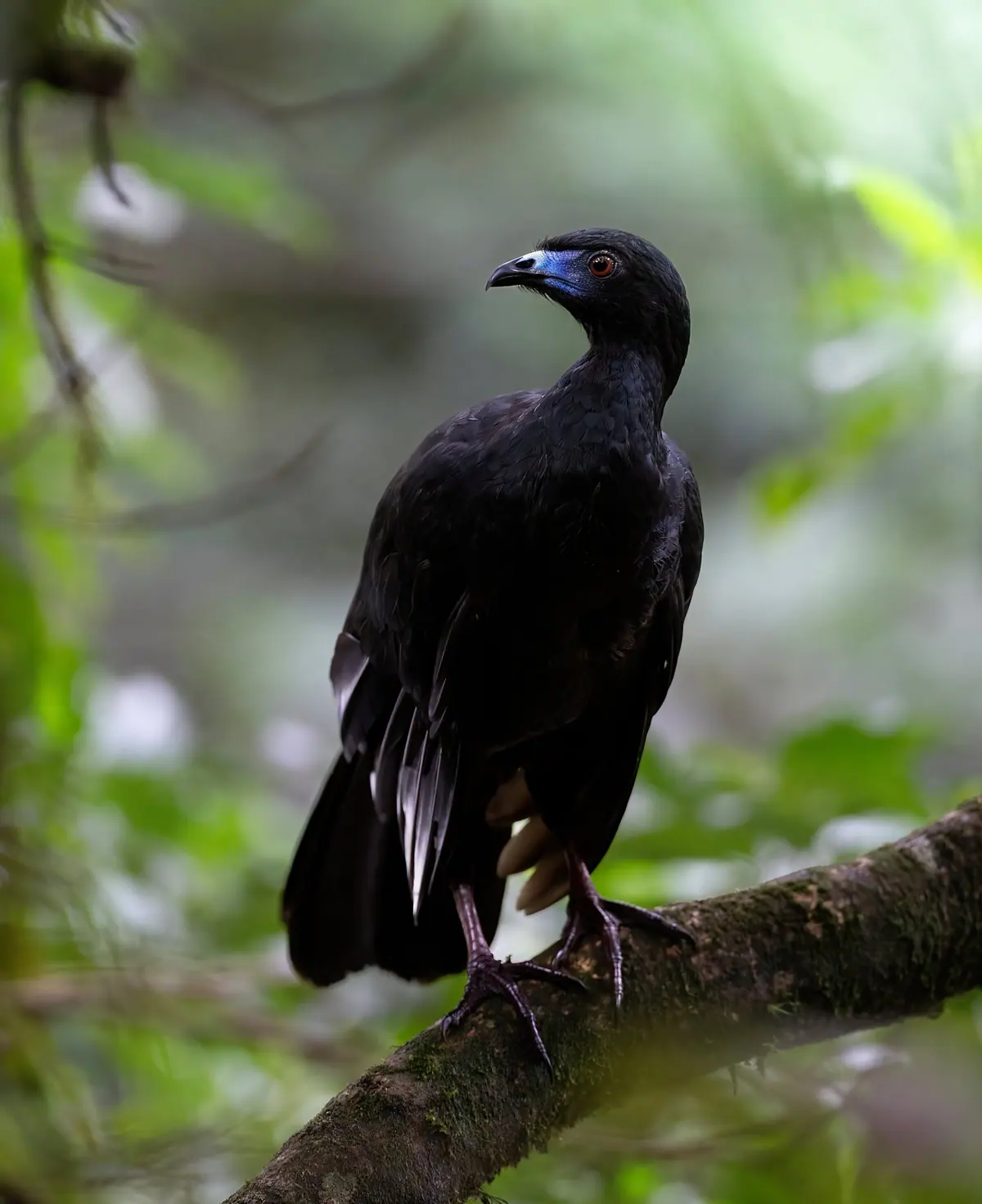
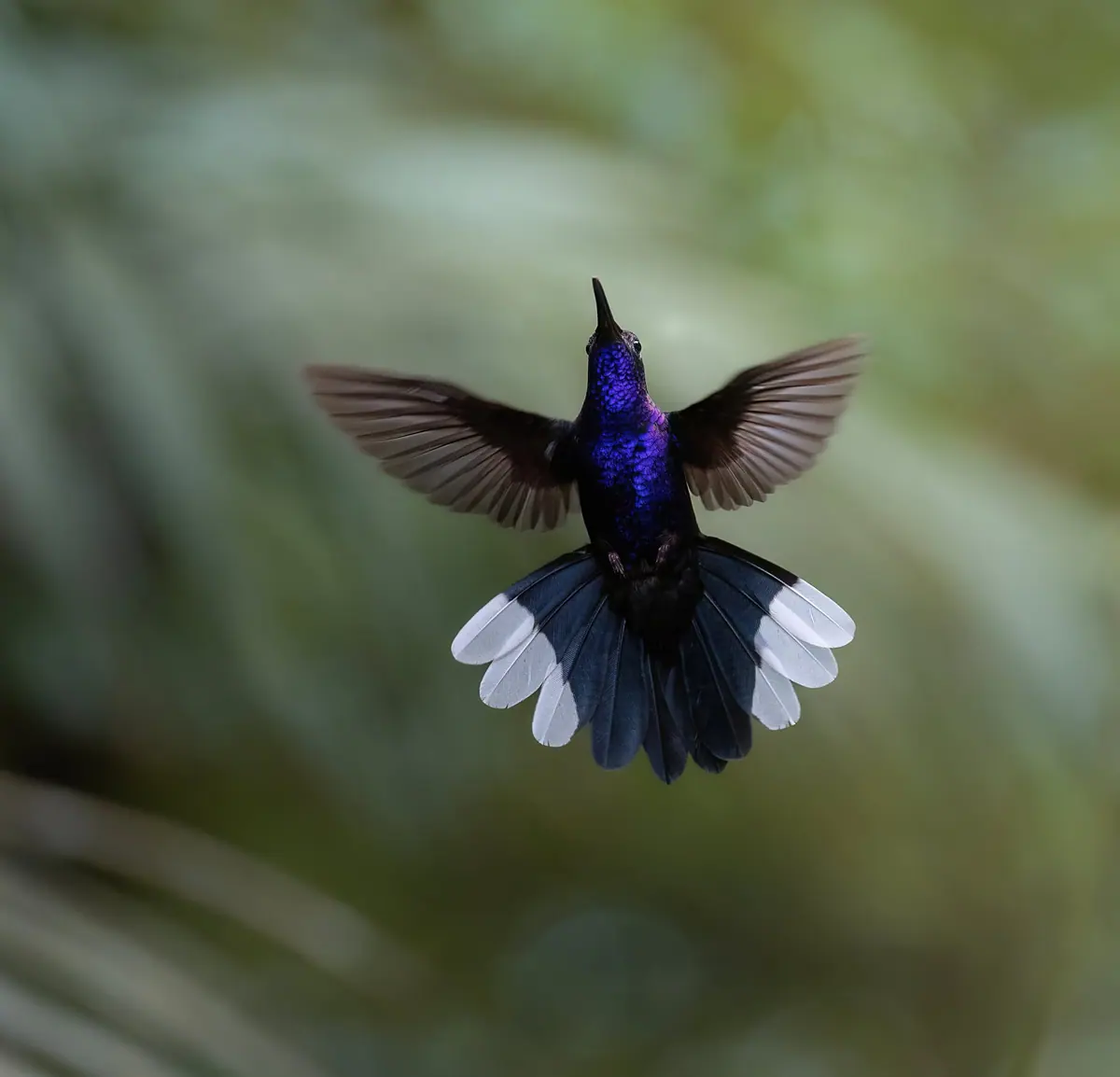
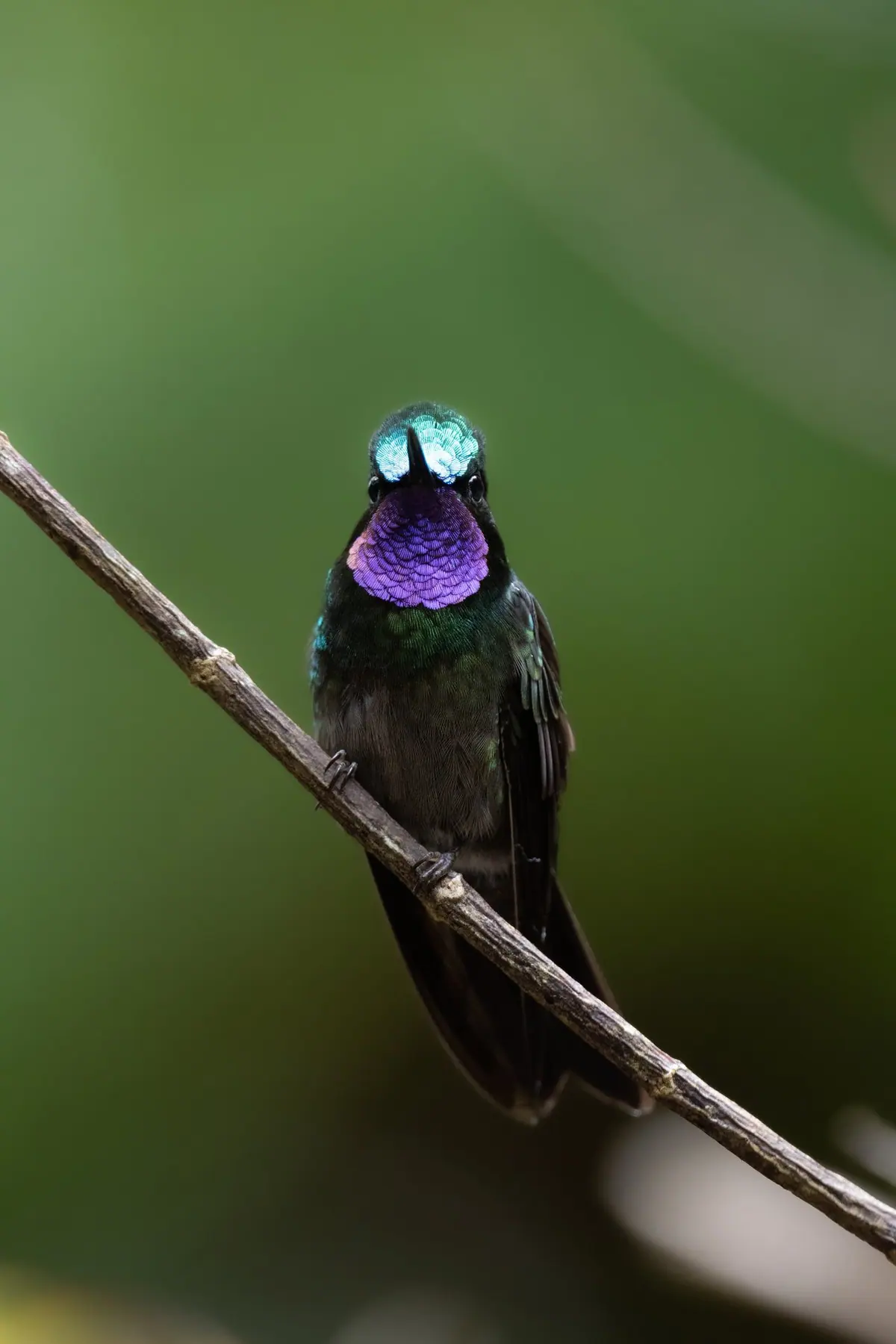
Emerald Toucanets, Black Guans and a dozen hummingbird species — Violet Sabrewing, Purple-throated Mountaingem, Green-crowned Brilliant and more — are resident. Whatever month you visit, the early morning is the most active time on the trail.

Drier months (roughly December–April)

Trails are drier and mornings often clearer, and the quetzal and bellbird seasons overlap the end of this period. It is also the busiest travel season, so booking tours ahead matters more.

Greener months (roughly May–November)

Fewer people on the trails and lush forest. Rain usually builds later in the day, so early starts — like our 6:10 am birding tour — still deliver full mornings of activity.

Species our guests have photographed

All photographed by Nasua Tours guides and guests on Monteverde trails. Sightings depend on season, weather and luck — nothing is guaranteed.

  • Male Resplendent Quetzal perched in the Monteverde cloud forest during nesting season
    Male Resplendent Quetzal perched in the Monteverde cloud forest during nesting season
  • Three-wattled Bellbird calling from a treetop in the Monteverde breeding season
    Three-wattled Bellbird calling from a treetop in the Monteverde breeding season
  • Long-tailed Manakin near its display perch in Monteverde secondary forest
    Long-tailed Manakin near its display perch in Monteverde secondary forest
  • Emerald Toucanet feeding in a fruiting tree, a year-round Monteverde resident
    Emerald Toucanet feeding in a fruiting tree, a year-round Monteverde resident
  • Black Guan on a high branch, seen year-round in Monteverde primary forest
    Black Guan on a high branch, seen year-round in Monteverde primary forest
  • Violet Sabrewing hummingbird hovering at a cloud-forest flower in Monteverde
    Violet Sabrewing hummingbird hovering at a cloud-forest flower in Monteverde
  • Purple-throated Mountaingem, a highland hummingbird photographed in Monteverde
    Purple-throated Mountaingem, a highland hummingbird photographed in Monteverde
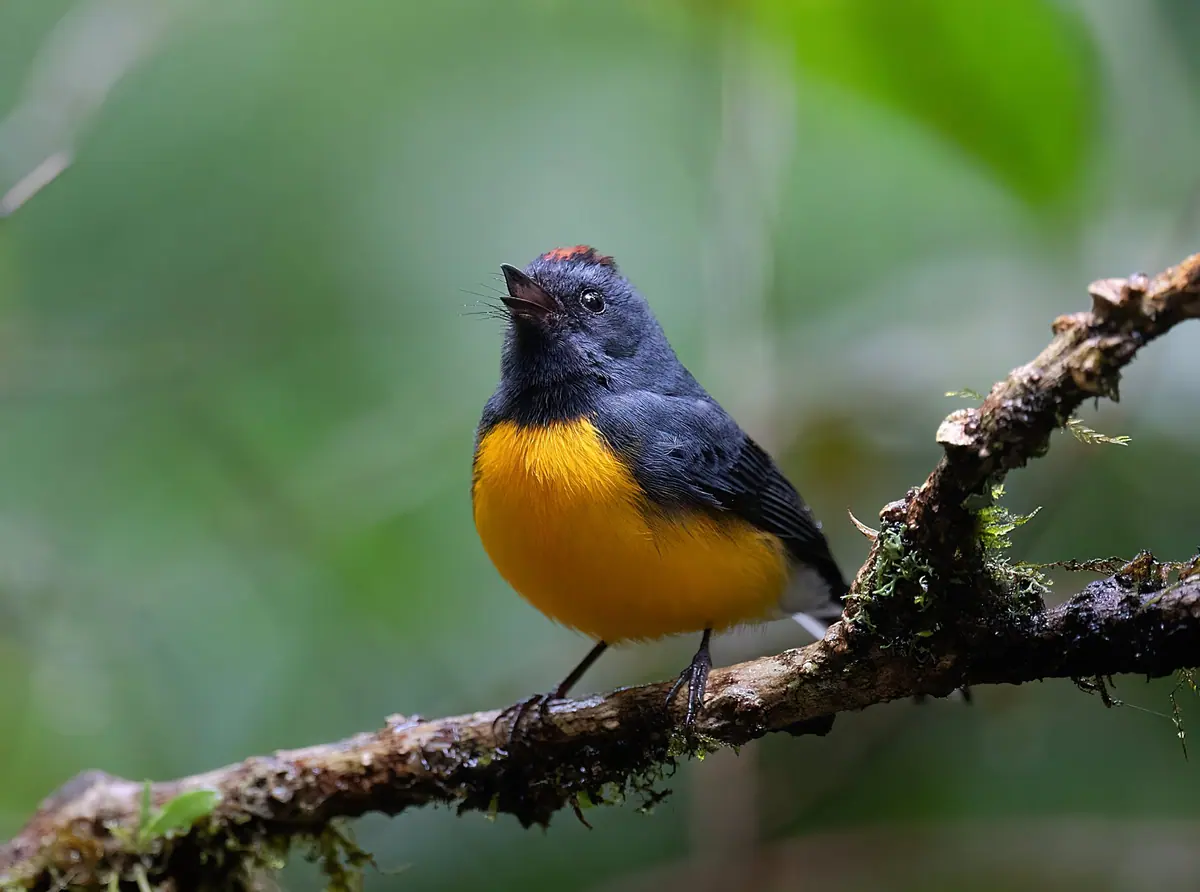
  • Slate-throated Redstart foraging in the understorey of the Monteverde cloud forest
    Slate-throated Redstart foraging in the understorey of the Monteverde cloud forest

Plan your birding morning

Tell us your dates and your target species and we will recommend the reserve with the best recent activity. The private birdwatching tour starts at 6:10 am in Curi-Cancha or the Monteverde Cloud Forest Reserve, with a certified guide and spotting scope.